







CellOS Vertical Model Series
Rapidly turning foundation model capabilities into deployable, reusable, application-specific vertical models
Overview
Why Vertical Models?
Vertical models inherit CellOS's general understanding of cell types, cell states, and gene expression programs, then adapt to specific tissues, diseases, species, data modalities, or business tasks—shifting the model from "understanding the broad cellular world" to "solving well-defined professional problems."
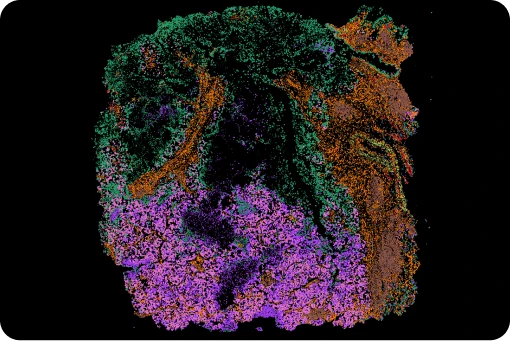
What Makes Them Different?
Traditional single-cell analysis mainly describes the cell states observed after an experiment is complete. CellOS.Pert goes further by learning how cells change before and after perturbation, extending cell research from "identifying the current state" to "predicting future states." By jointly considering cell type, baseline expression state, perturbation conditions, and biological context, the model simulates intervention-induced state transitions in the cell representation space, providing a computational basis for perturbation experiment design, mechanism-of-action studies, and candidate screening.
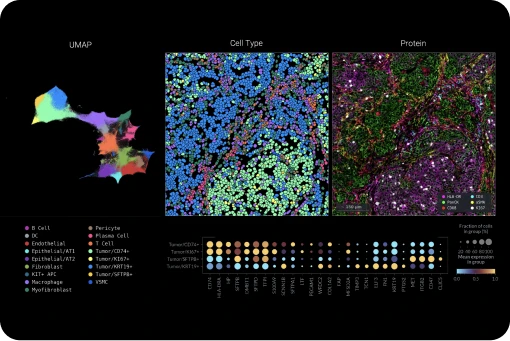
Core Capabilities
1
Tissue and Cell System Specialization
Adapted to specific tissues or cell systems, including the immune system, nervous system, liver, lung, and cardiovascular system.
2
Disease Area Specialization
Supports representation and annotation of cell types and states
3
Species Specialization
Adapted to humans, mice, non-human primates, model organisms, or specific agricultural species to understand cell types, gene expression patterns, and biological context across species.
4
Task Specialization
Purpose-built models for well-defined downstream tasks. Through targeted adaptation, CellOS.Turbo packages complex foundation model capabilities into clearer, more stable task-level capabilities.
Typical Vertical Scenarios
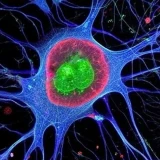
TME
Turn common tasks such as cell annotation, state identification, and functional analysis into standardized model capabilities, reducing redundant modeling and repeated tuning across projects.
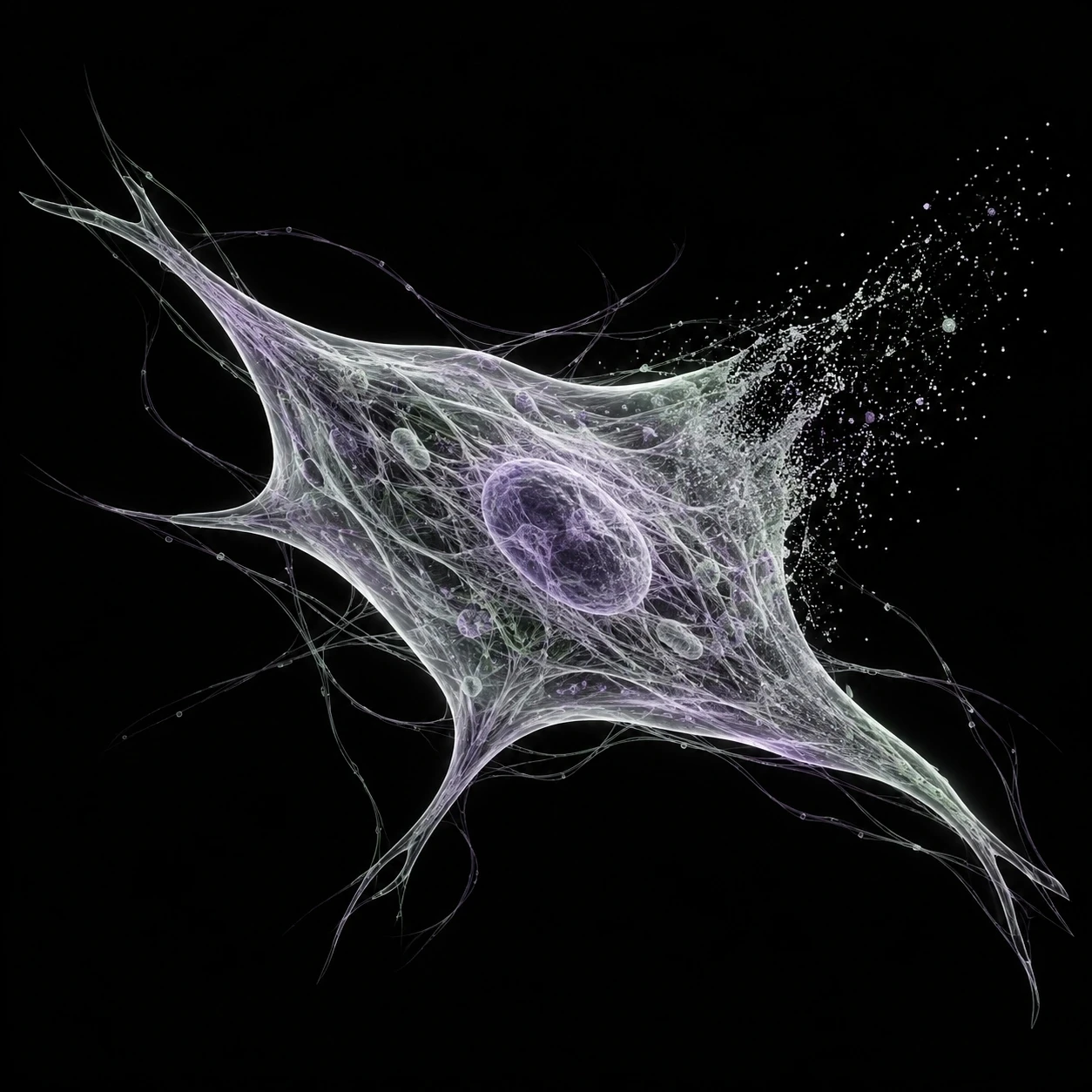
Skin Anti-Aging
Run anti-aging screens with a skin-specific virtual cell, delivering wet-lab-validated candidate molecules and multi-stage sequential regimens.
T Cells
Compare cellular differences across disease states, treatment responses, or patient populations to help discover cellular and molecular biomarkers of research value.
Stem Cells
Identify differences between samples based on cell composition and state features, providing new stratification criteria for disease subtyping, efficacy studies, and precision medicine research.

Coming Soon
More high-value scenarios are under exploration…